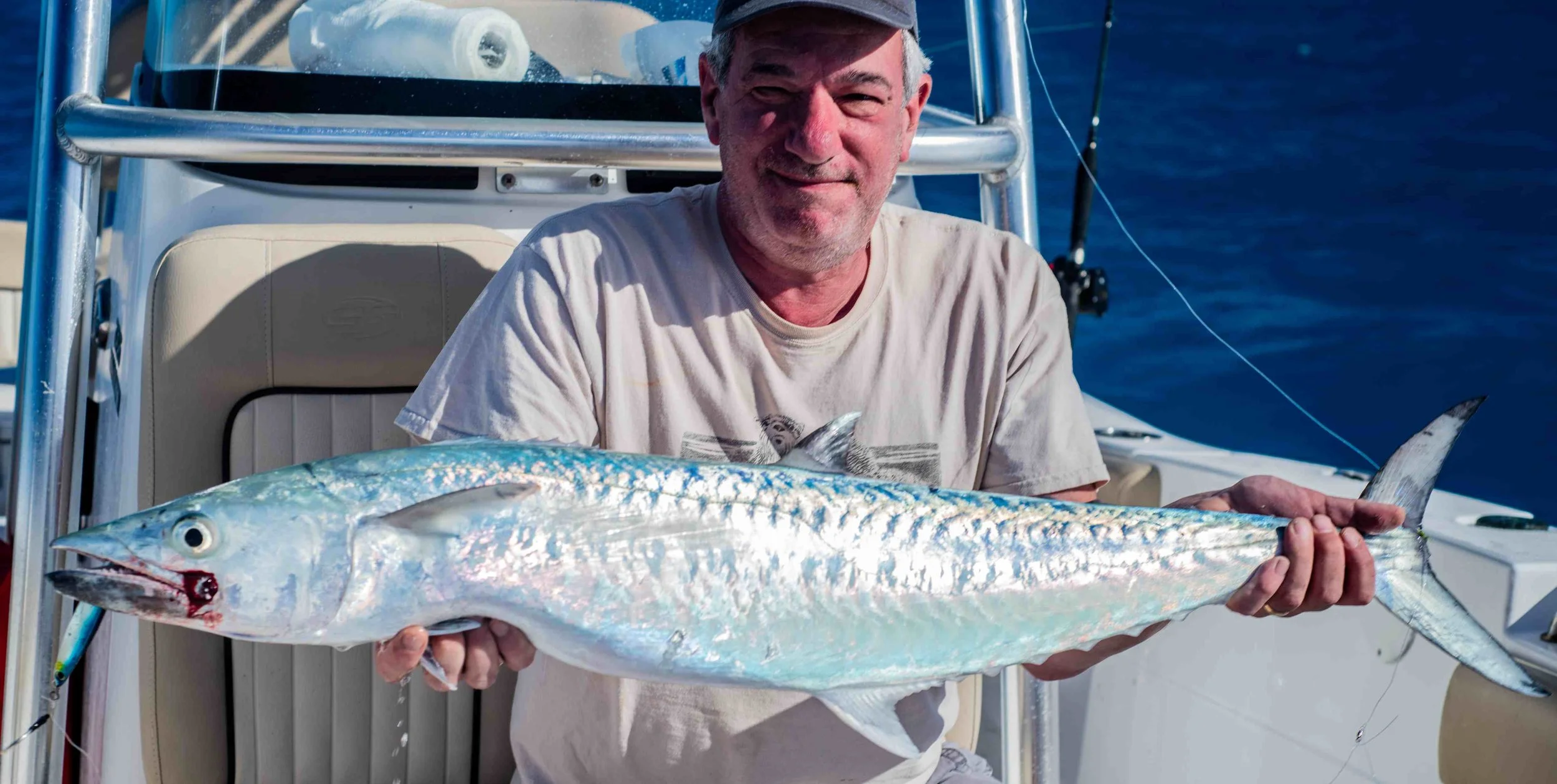
An Absolute Passion
There’s a presumption among some fishermen that if you fish, you should do nothing else. Holding a job is resented, and marriage and family are placed in the service of the passion for the water. Get ‘em all aboard!
My blog doesn’t detract from the glory of such excesses. After all, my son and I used to fish three or four times a week chiefly for largemouths—though he was the one asking me to go—and soon after those early years of his, I got over resenting my job on the road when I figured out how to fish on lunch breaks. Once, I stuffed a 6.9-pound rainbow trout behind the seat of the company car, but that’s a long story. I’ve always managed to fish at my own pace, and now that my son has lived in California for four years, I almost always go with close friends.
You’re reading a guy who first got fishing articles published at age 16. Who often fished before homeroom, and, the same day, after school. I felt absolutely committed, absolutely driven in a way I questioned but could not understand. I didn’t fish for the walleye, hybrid stripers, and northern pike I fish for now, but I caught hundreds of smallmouth bass. Largemouths, trout, and pickerel, in the thousands, too.
Rather than fade into the background as a high school freak on that account, we filled our half-gallon mugs, and I drank everyone under the table who had it in them to challenge me. You could say it was just genetics that gave me the ability to drink ungodly amounts of beer, much more than a half-gallon flowing directly down my throat, not to mention that I fished almost every day, but genetics are useless without the environment. I have no doubt my outdoor prowess continues to pull the triggers.
Something Precious
Music was a turn on, too. I listened to a number of the better bands of the ‘70’s, but no one else knew I listened to classical, though I did. It was convenient for them not to listen—can be difficult—not that most of my friends weren’t honors students, though after living for many decades in a crass American culture, I can deal with the blank incomprehension regarding fine arts. Why? Because I’m informed well enough to match most people’s degree of knowledge when it comes popular forms.
Being alone with classical music, besides my wife’s listening, is no stressor, and while I fished during the 70’s with a mentor 11 years my senior and a few other friends, I managed to fish alone, too. Like the finer aspects of culture did for me, my fishing had a solitary quality no one else knew about. I still fish alone on occasion, which can amount to much the same precious response to the natural world I knew in my teens. Fishing with friends is no less healthy, however, if not better. It’s my preferred way to go about it.
Fishing World
I still manage to affirm the world of today, as I’ll tell you about in a moment, but the 70’s were different. A world I liked. More than anything else, I remember summer afternoons in the 90’s under direct sunlight, the favorite weather of my youth. Even better when it got over a hundred. Afternoons when friends and I—and many others throughout the neighborhoods—set off M-80’s without getting into serious trouble.
I was 16 when I joined a Bass Anglers Sportsmen’s Society tournament club and began a two-year career of taking trophies from guys aged 23 to 45. I won first place at least once, as I remember the tournament at Spruce Run Reservoir. Usually, I placed second or third. We had good fishermen in the club, and after meetings some of us went to a strip club and talked tactics. I looked 20 and regarded people twice my age as equals. Most important, I was informed, often took the discussion’s lead, and was respected for knowing what I talked about. I didn’t just read every outdoor magazine I could find. I studied them. If it wasn’t for the ambition to become a novelist that gripped me when I was 17, I might have wandered off on the tournament trail.
I have no regrets for becoming a writer instead. I make the best of things in the personal way writing amounts to, and it makes me proud.
Today’s world is something I’ve sustained, however, by fishing. In ways writing alone couldn’t muster. I’ve sometimes written about “Grand Affirmations” achieved through every outing, and though hard work at the supermarket has taken most of the lift from me, I still feel the supportive ground under my feet or the water under my squareback canoe. That sense of firm grounding is fundamental. It assures my standing in the world is authentic. Someone who wrote in the 19th century about fishing pickerel, Henry David Thoreau, is no less relevant today: “Read not the times. Read the eternities.”
Most of you already read Litton’s Fishing Lines. The passion continues unabated and gets more interesting with full-length features previously published in New Jersey Federated Sportsmen’s News and posted every two or three weeks. Maybe monthly. Otherwise, expect the same informative accounts of outings. Sometimes a post will be specific to a certain place named in the title, although on other occasions the place will be named in the text. In some, it won’t be named at all.

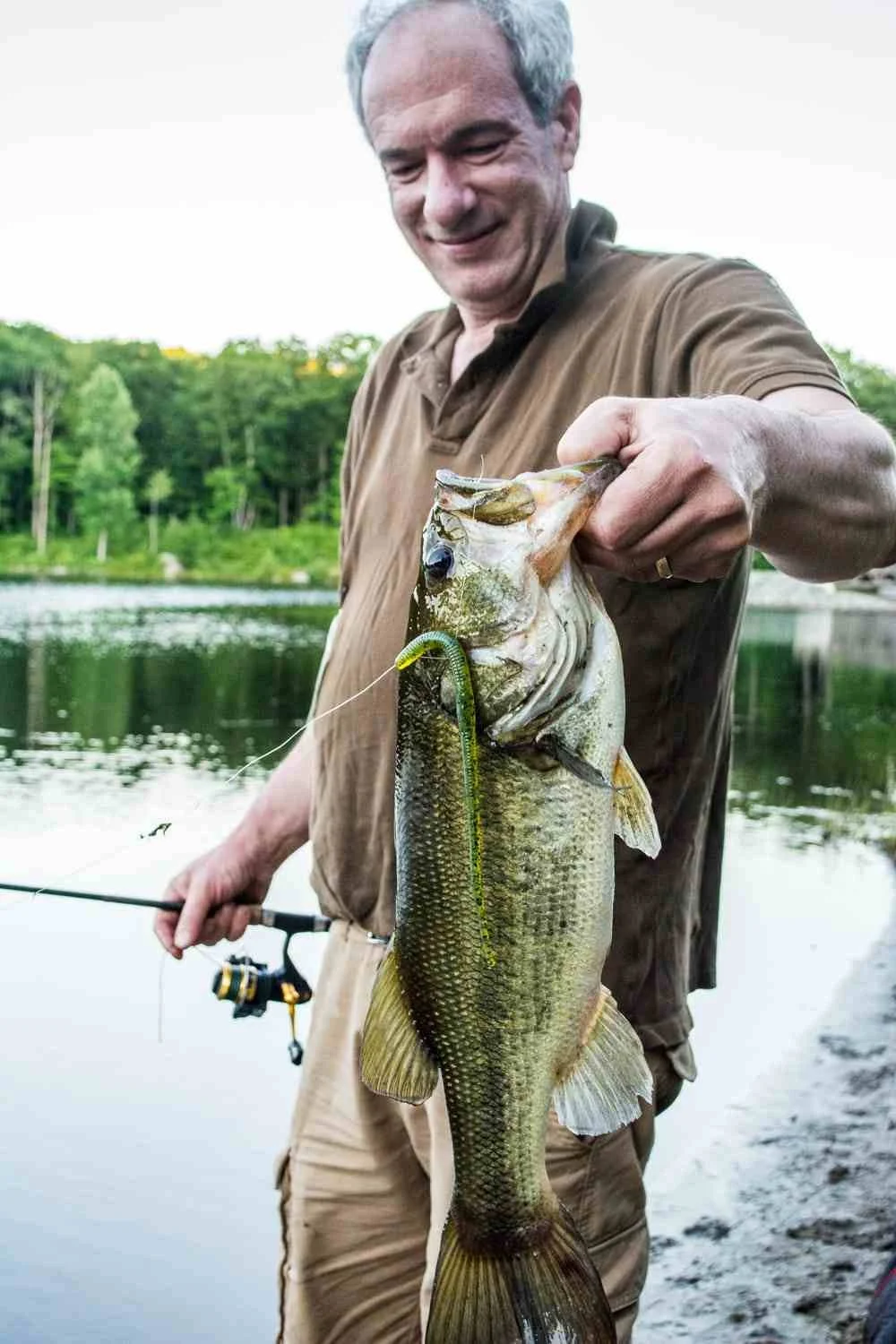
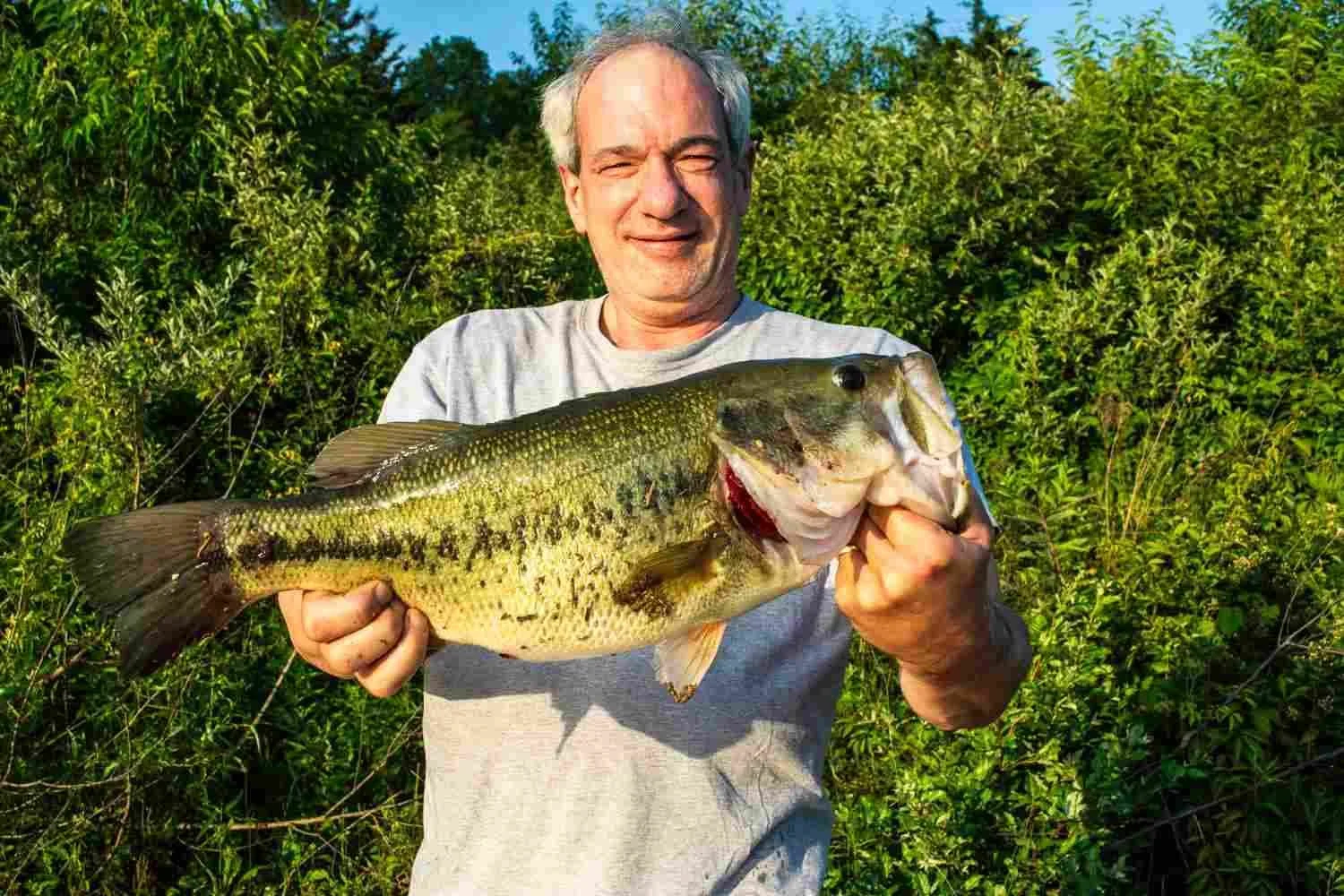
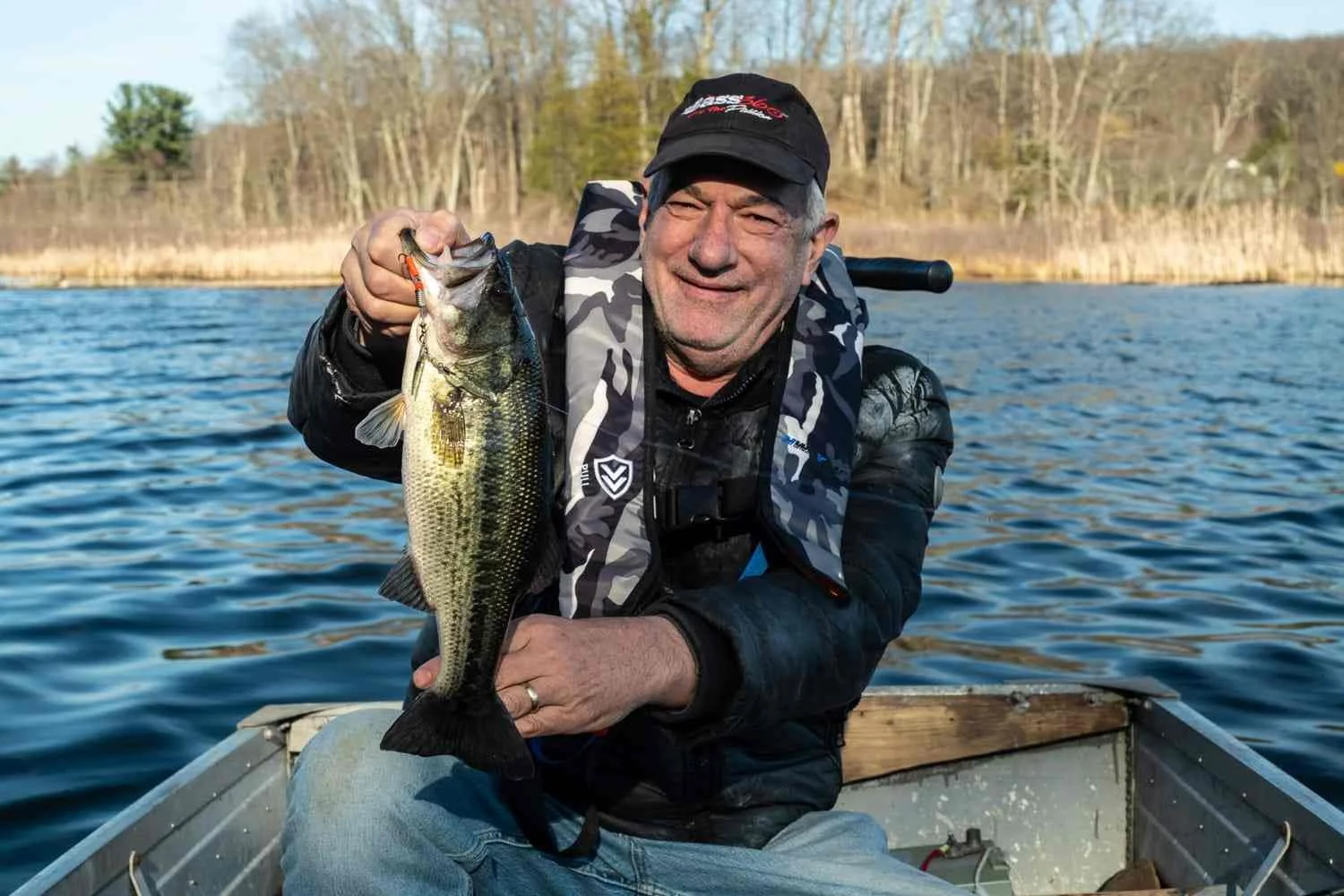
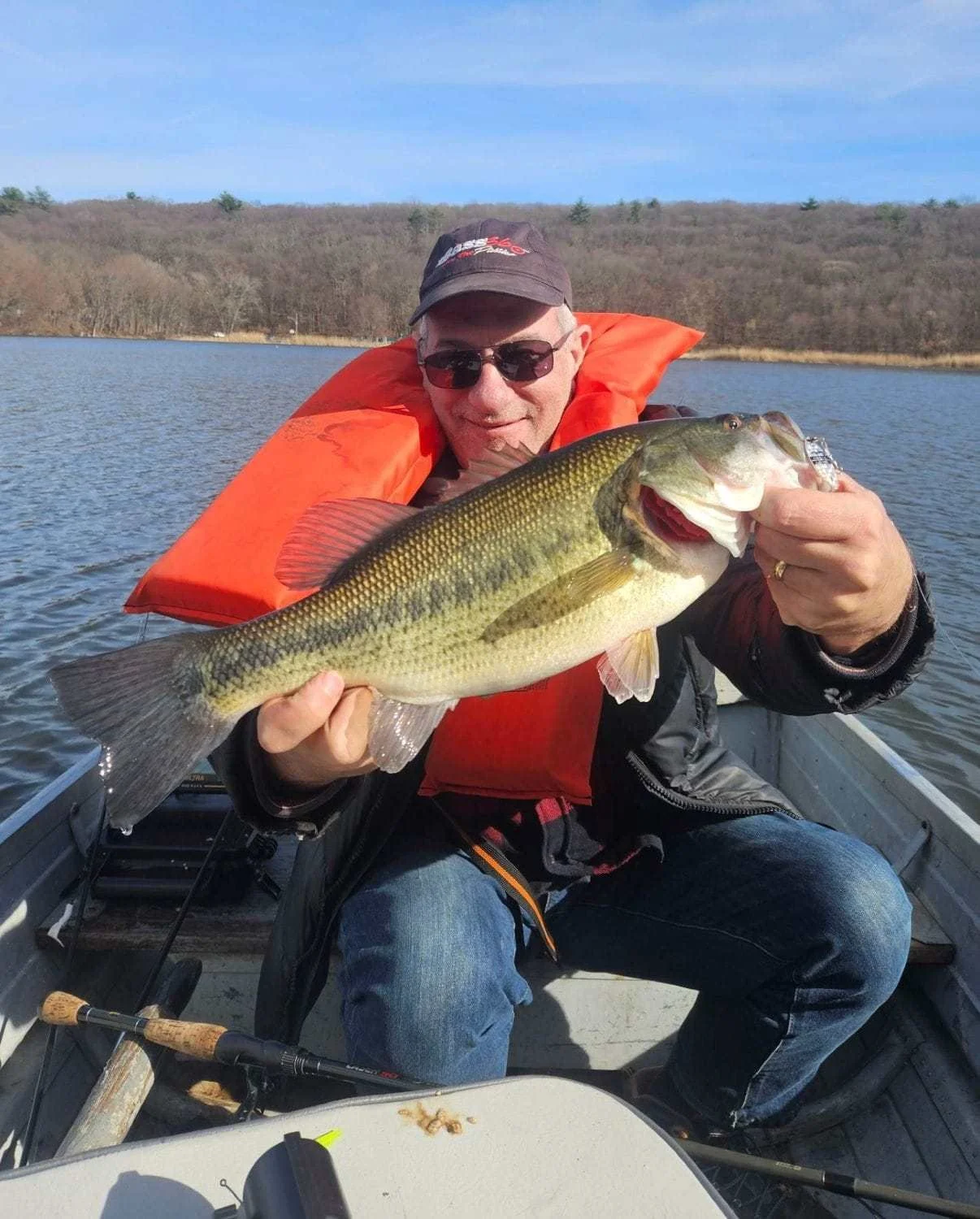
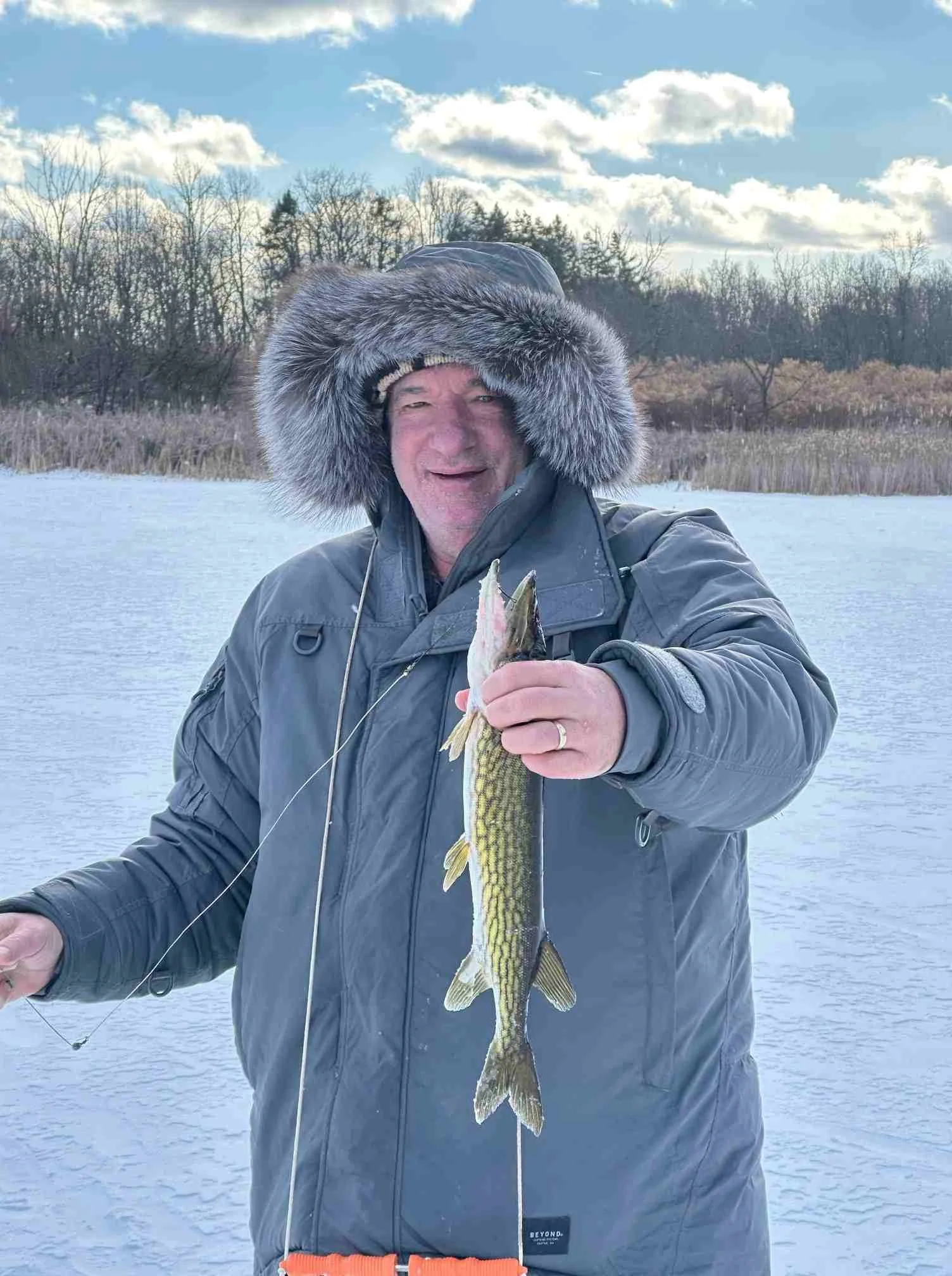


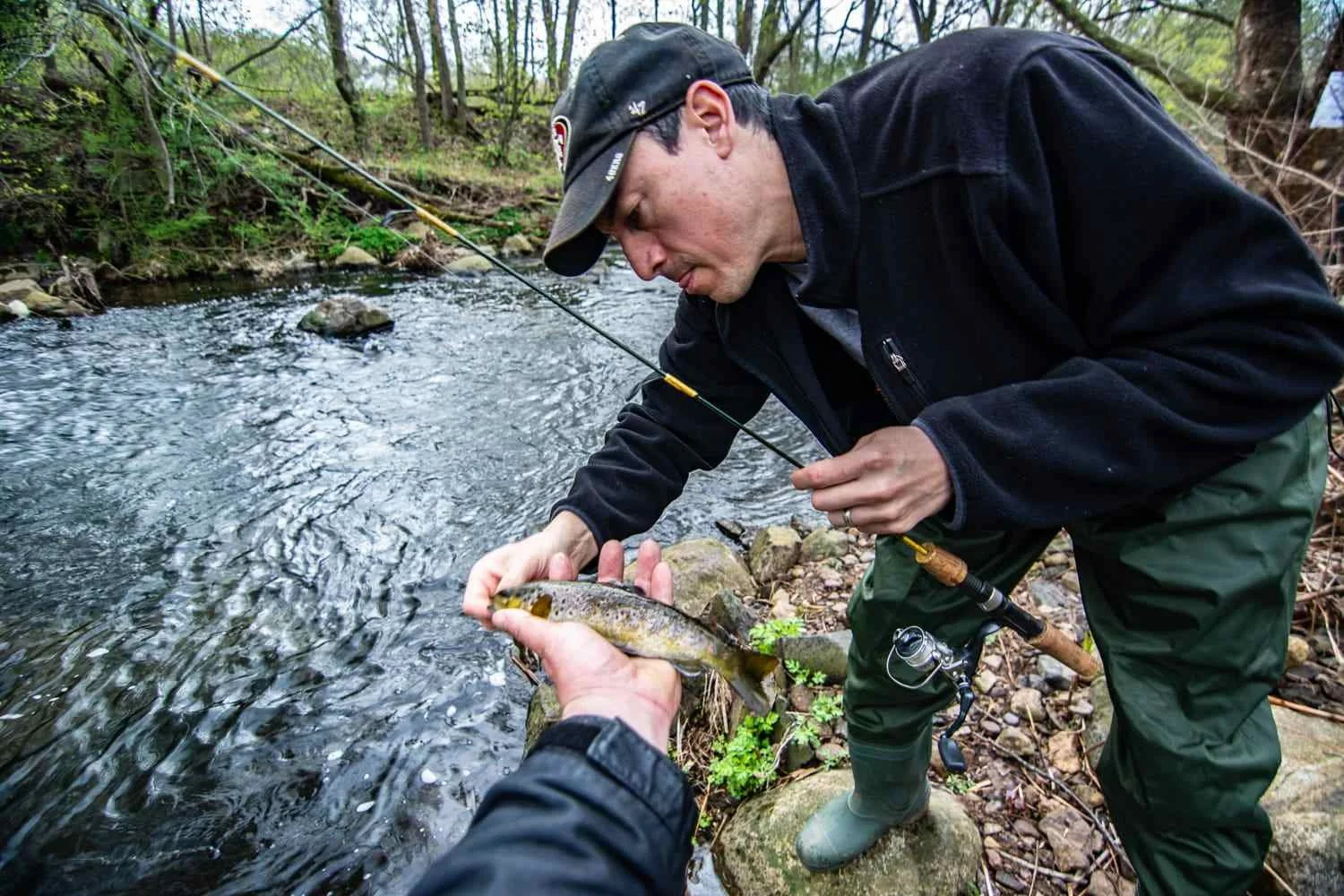
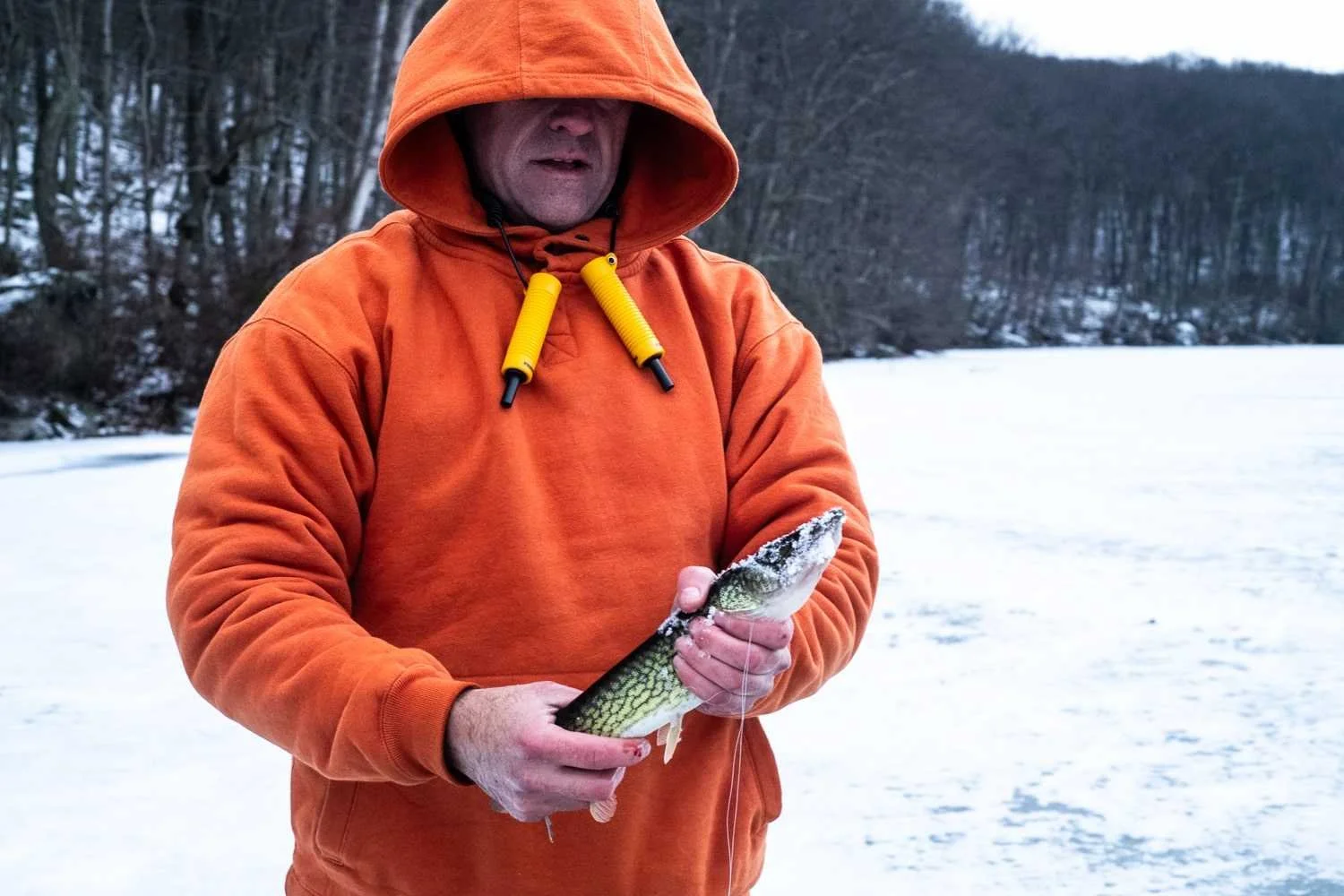
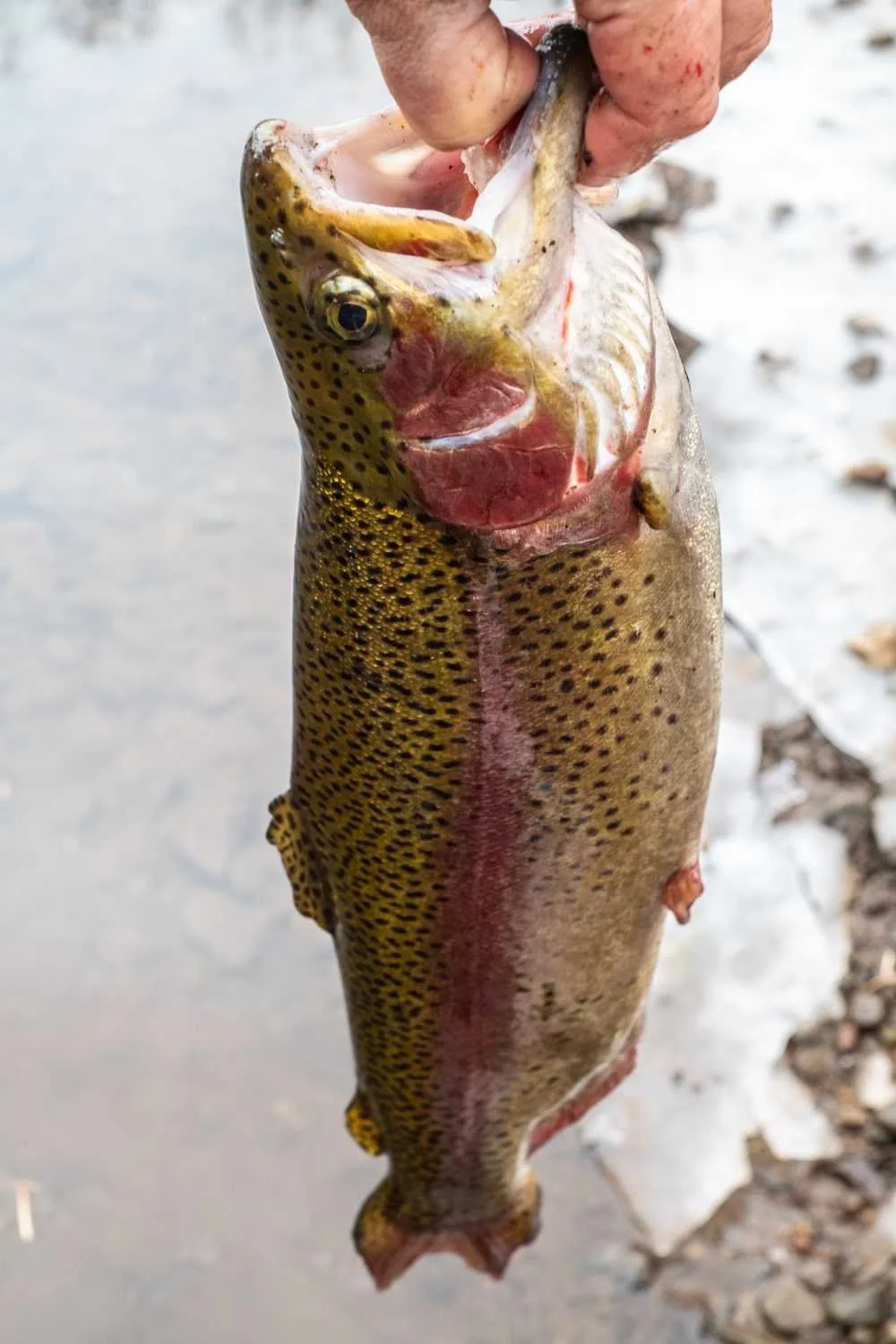

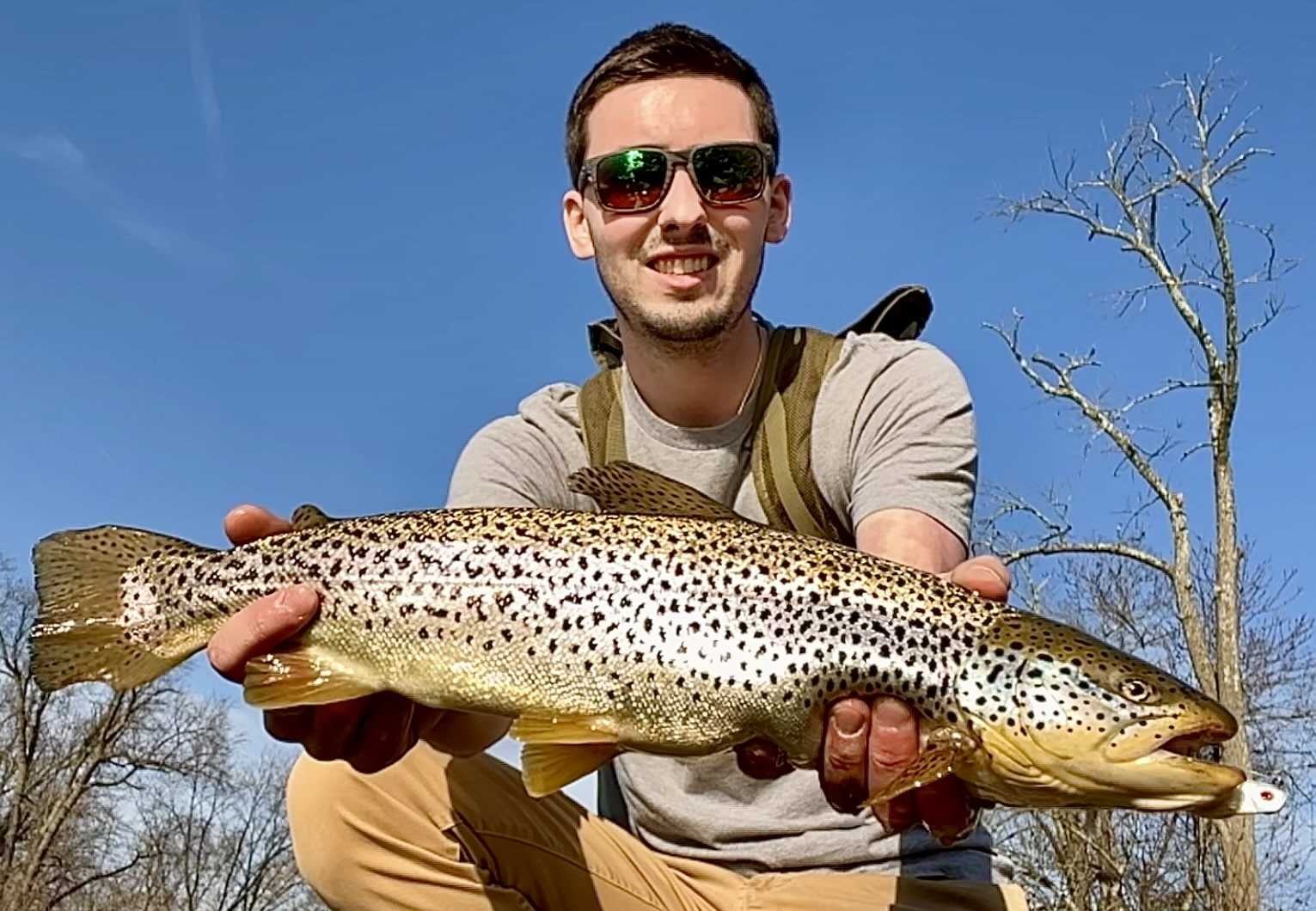


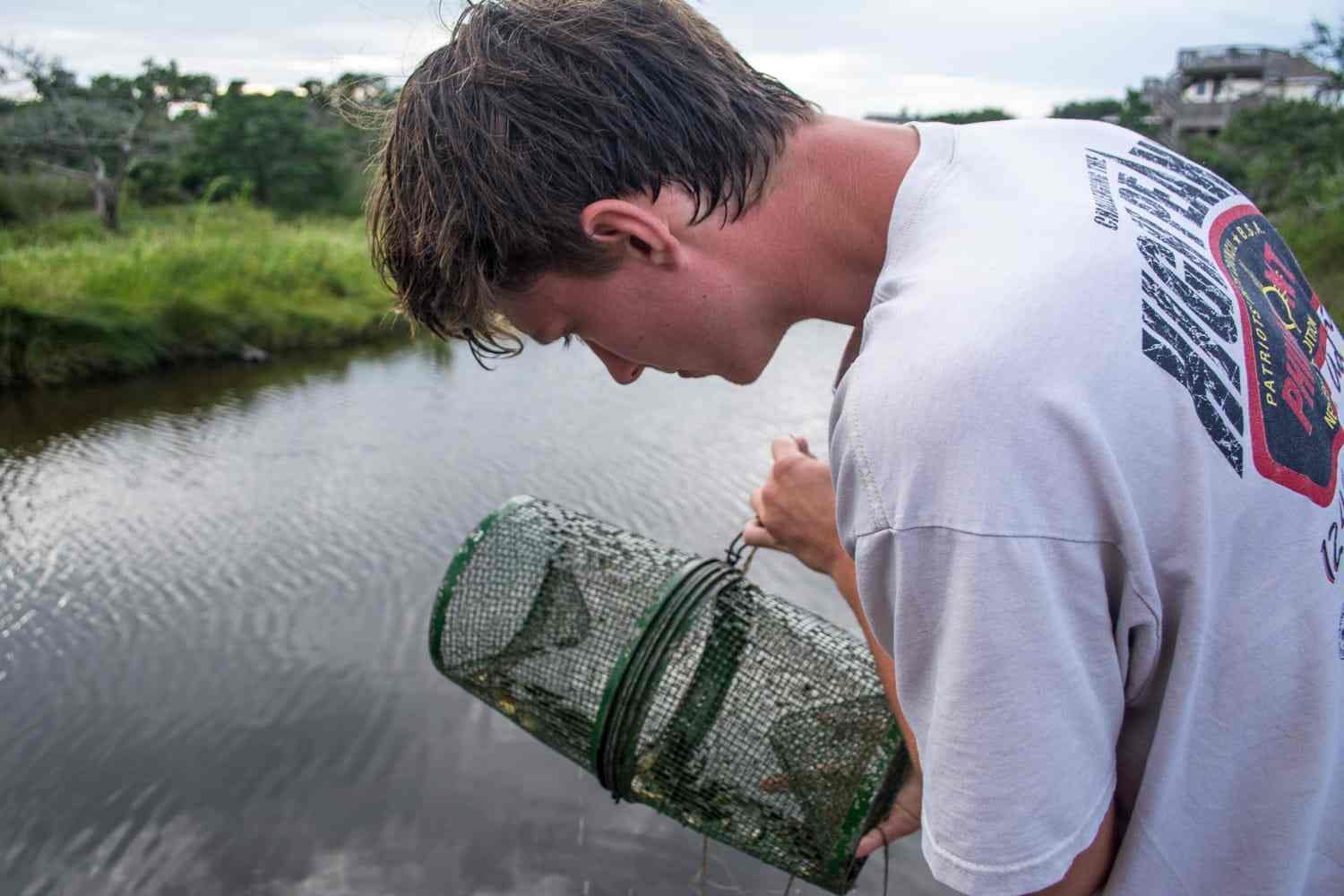
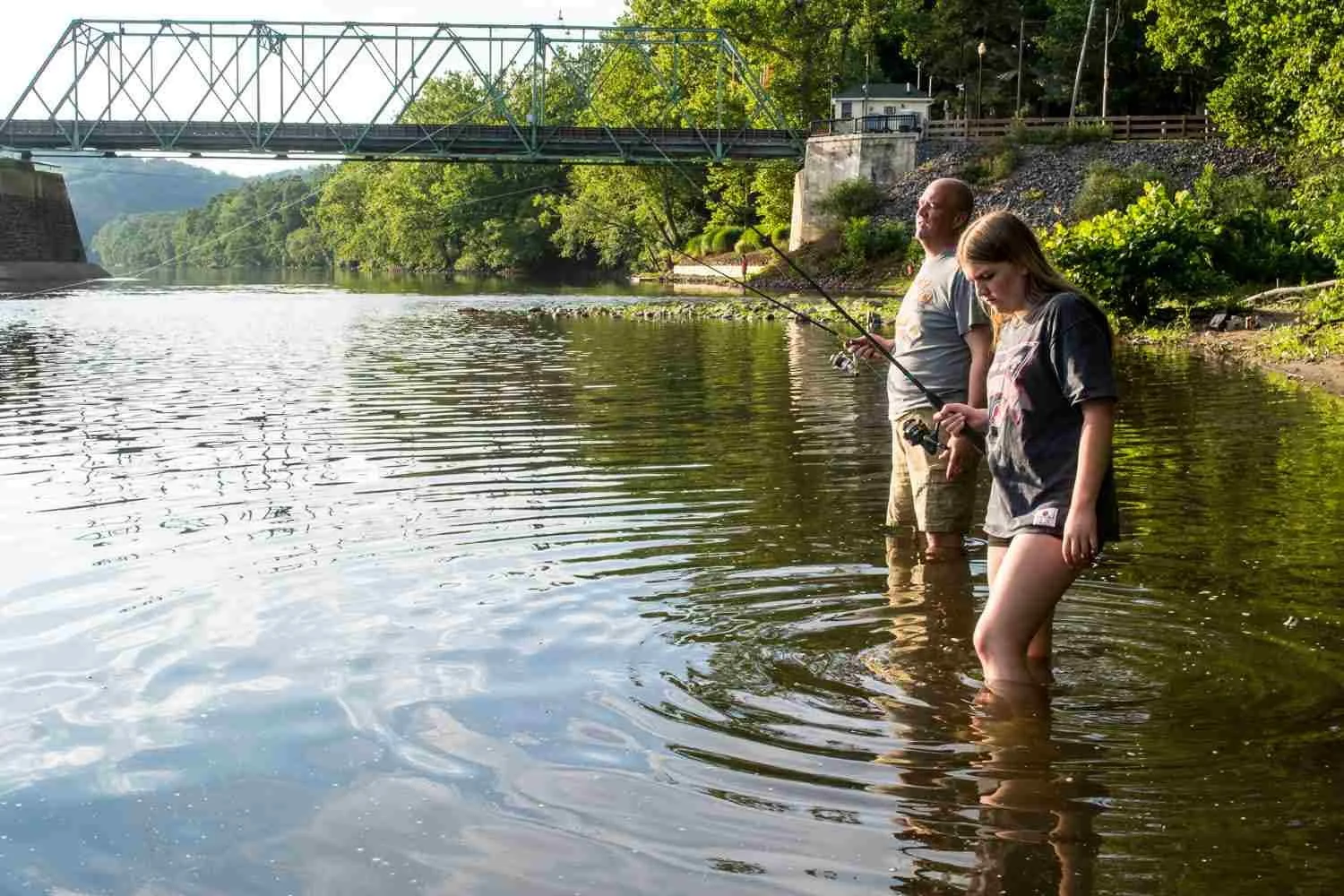
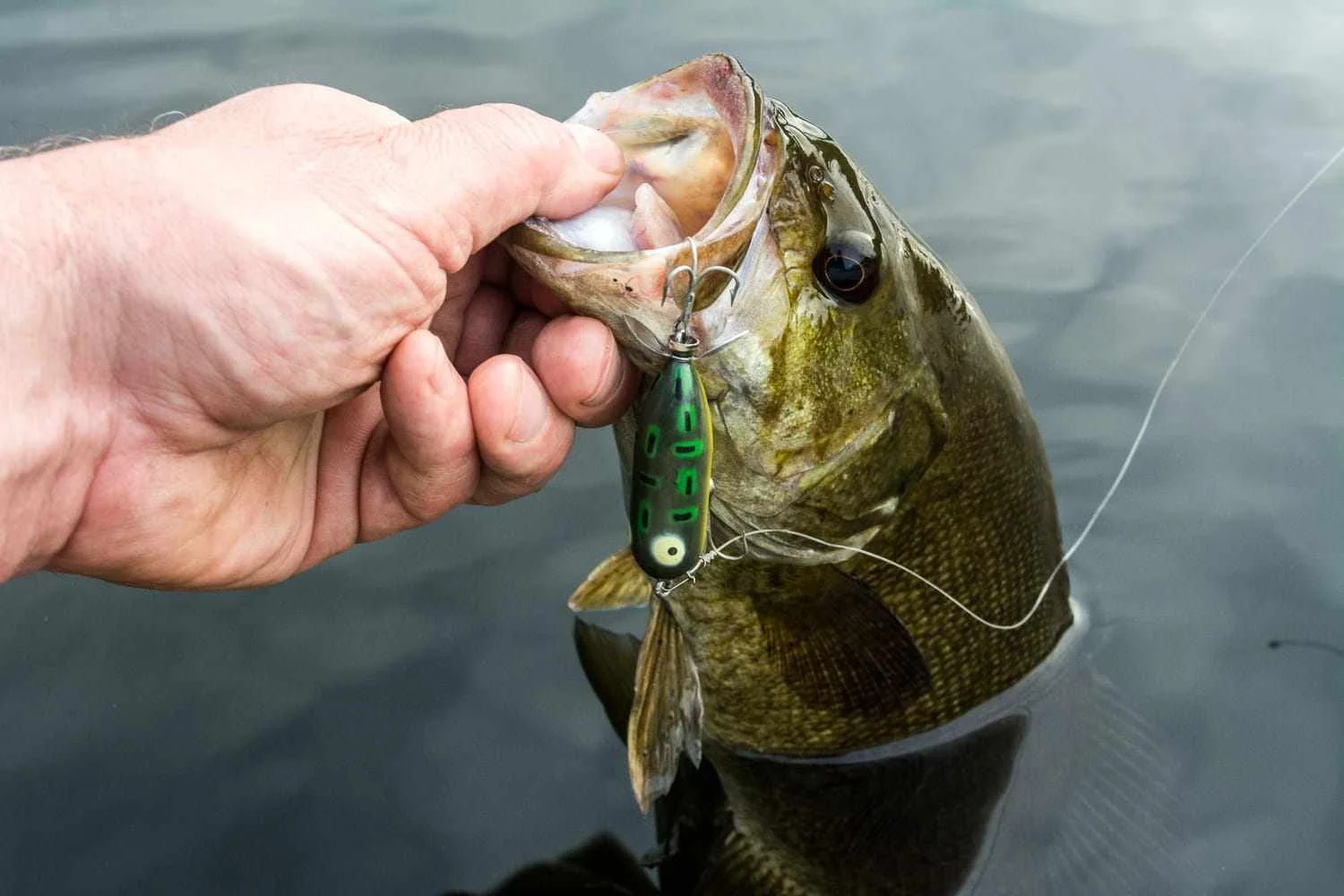
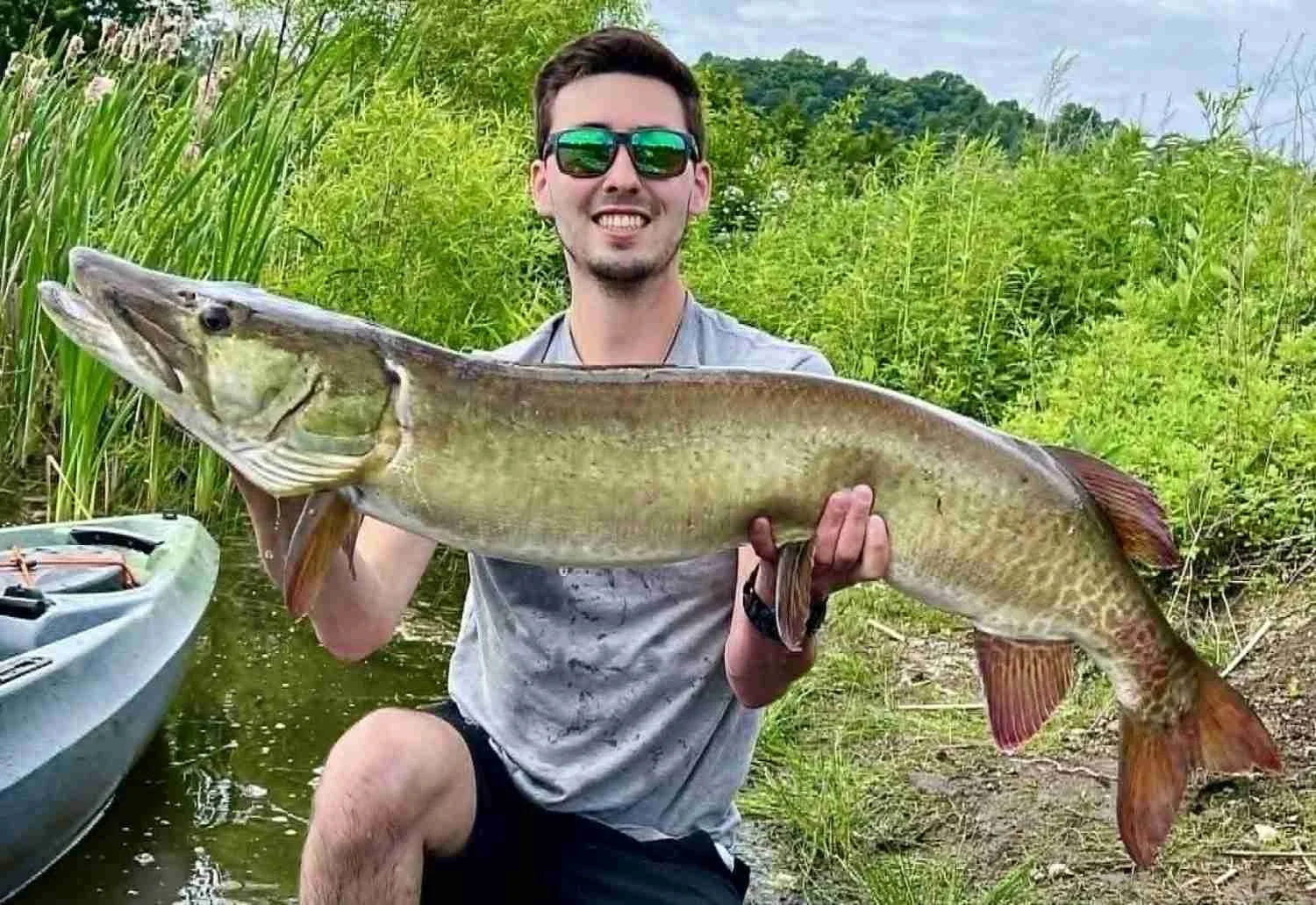
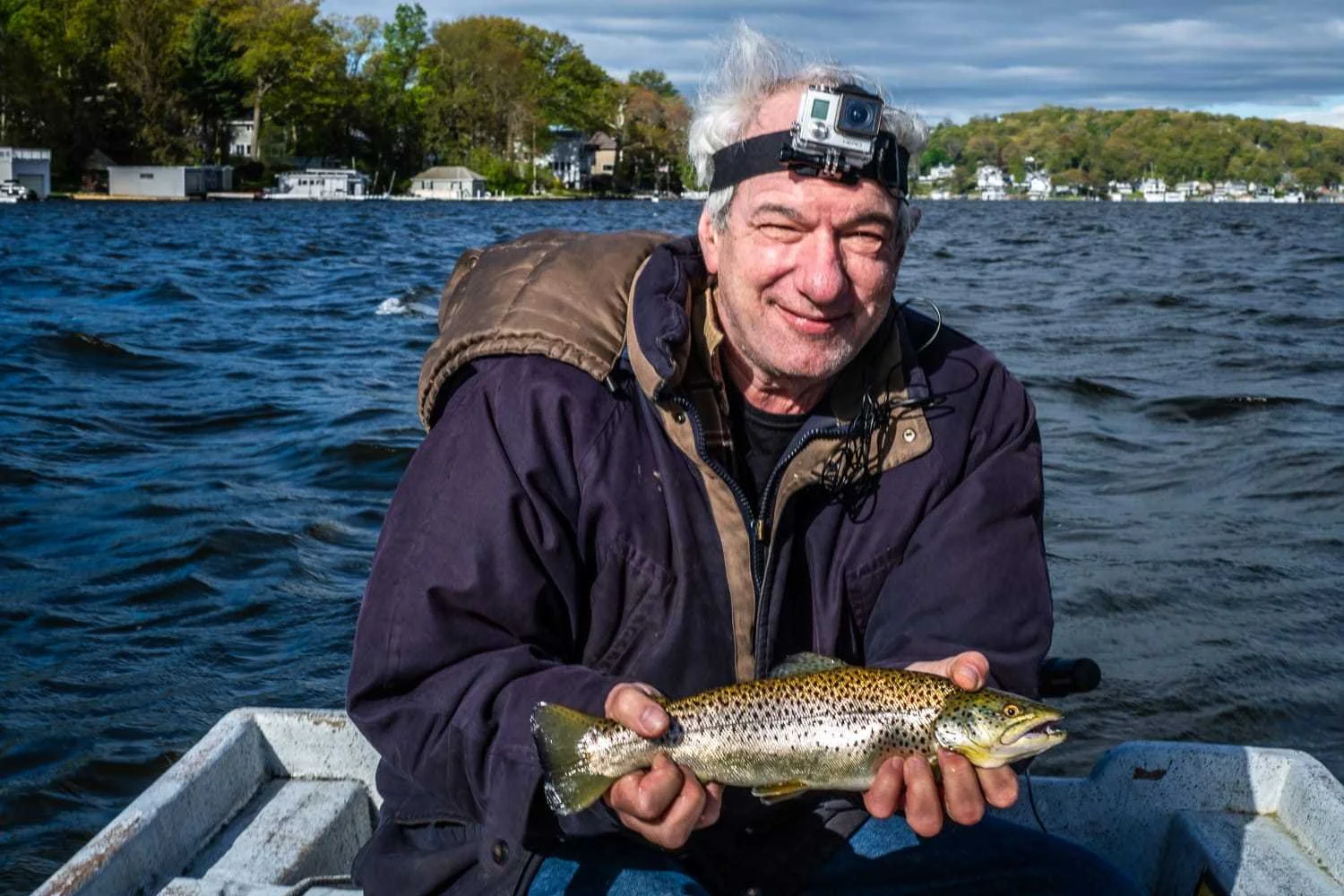
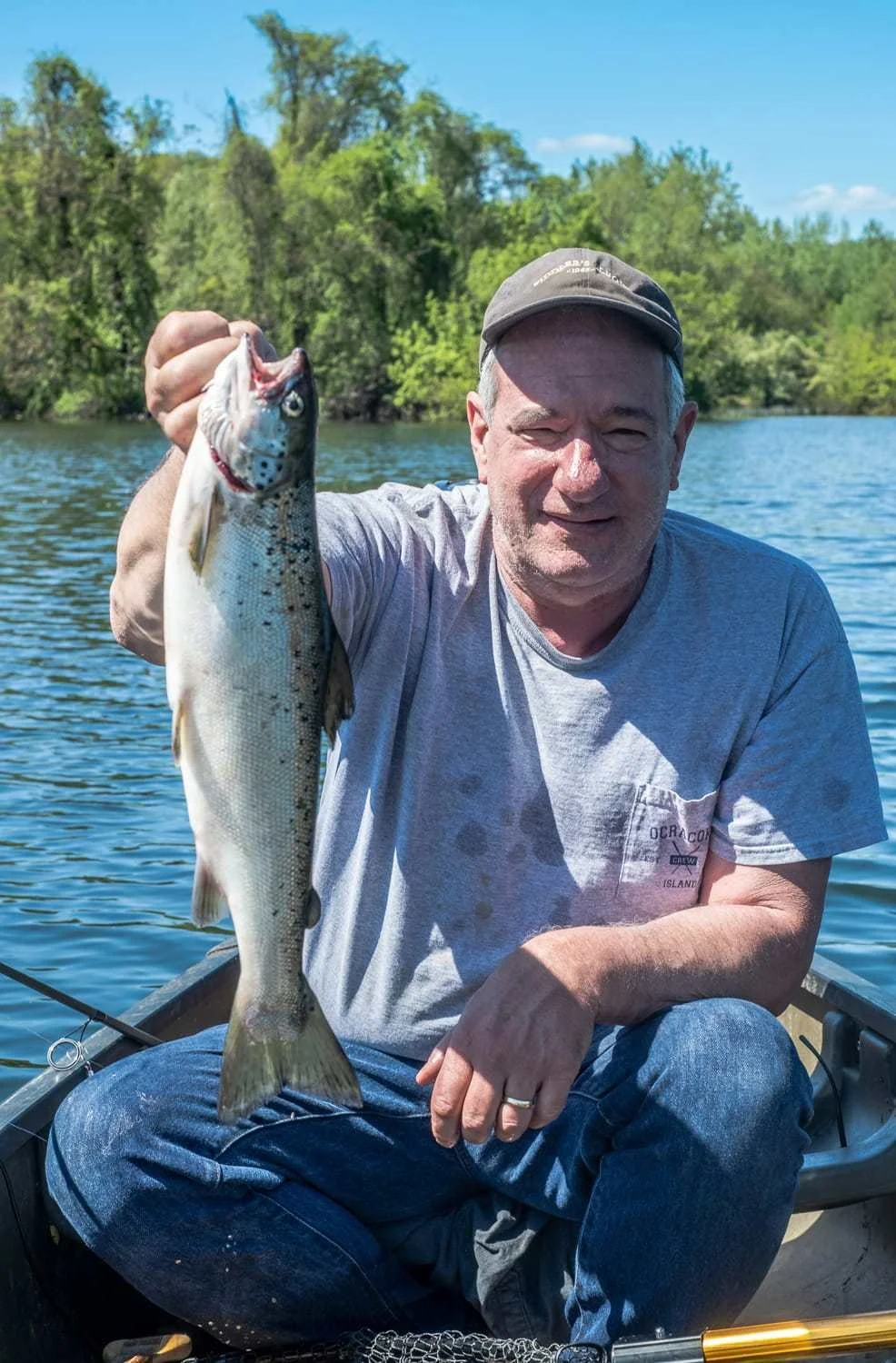
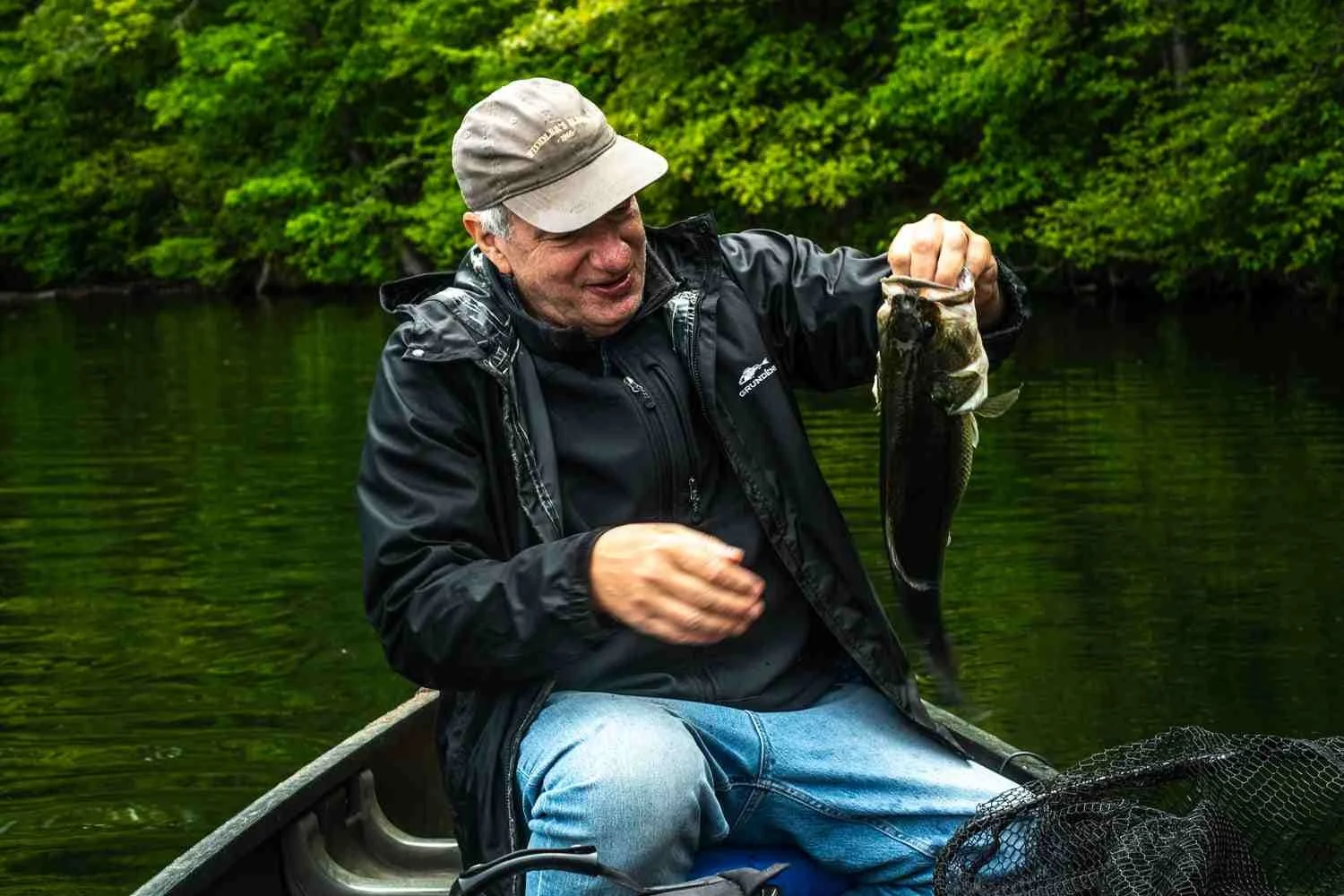
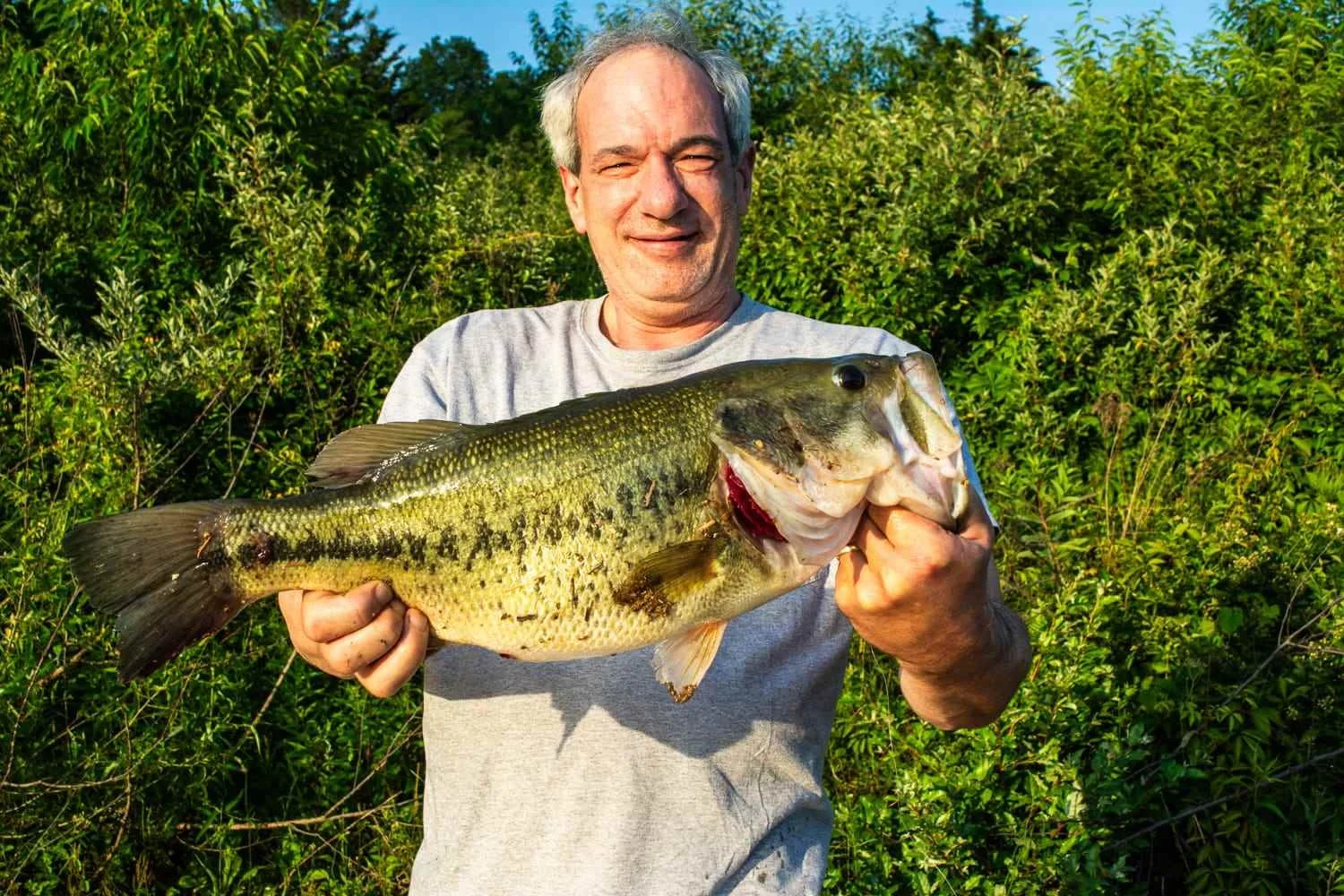
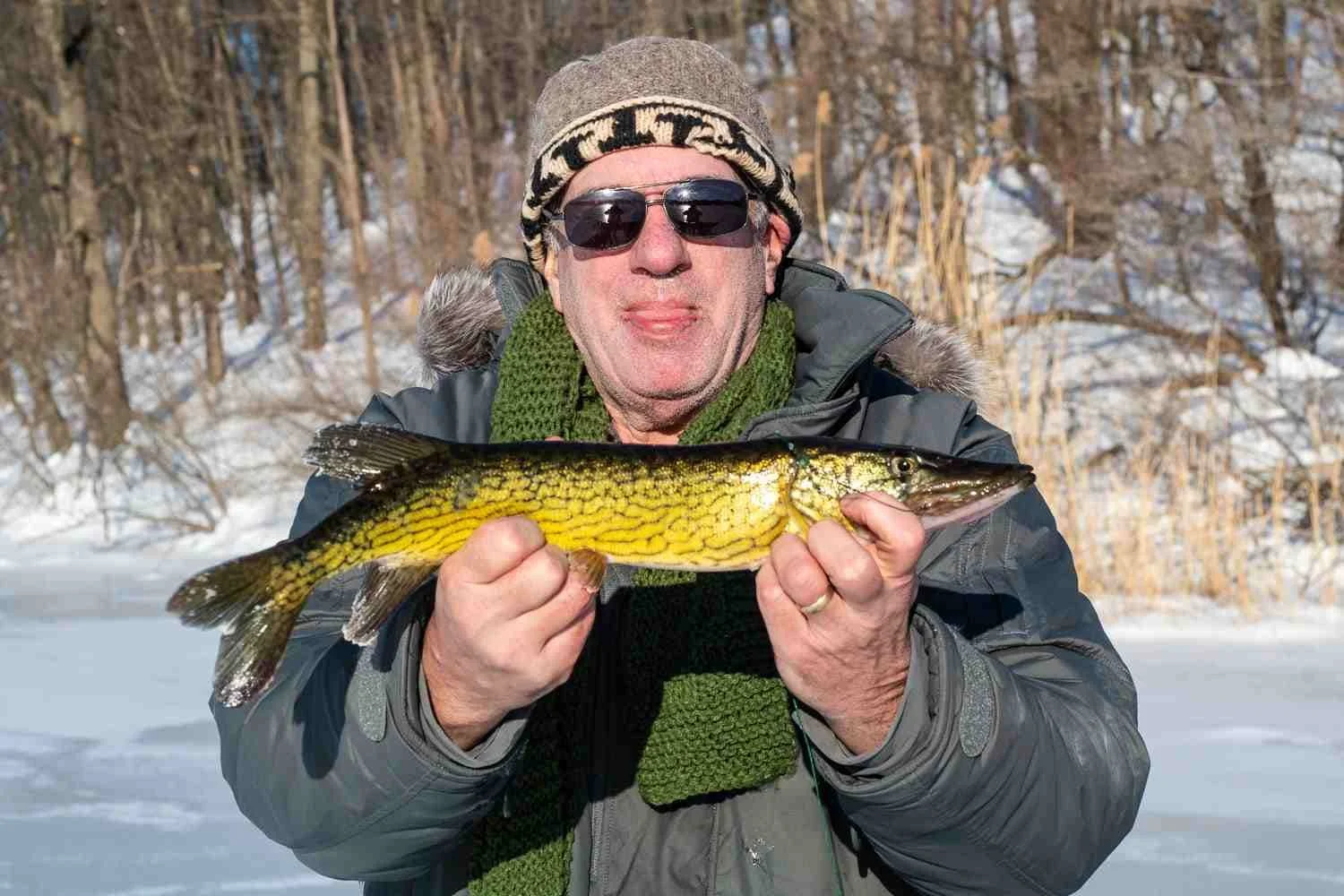
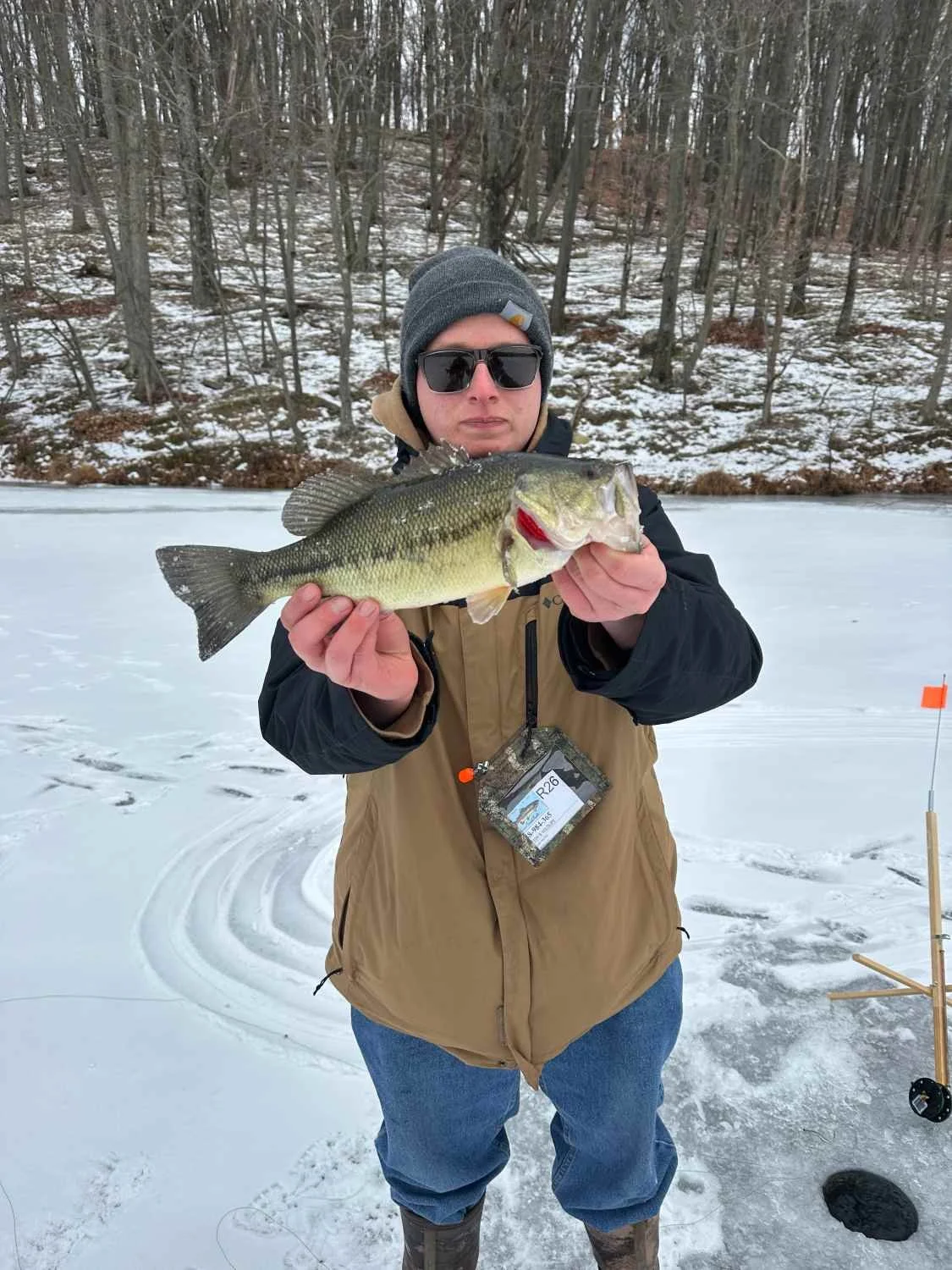
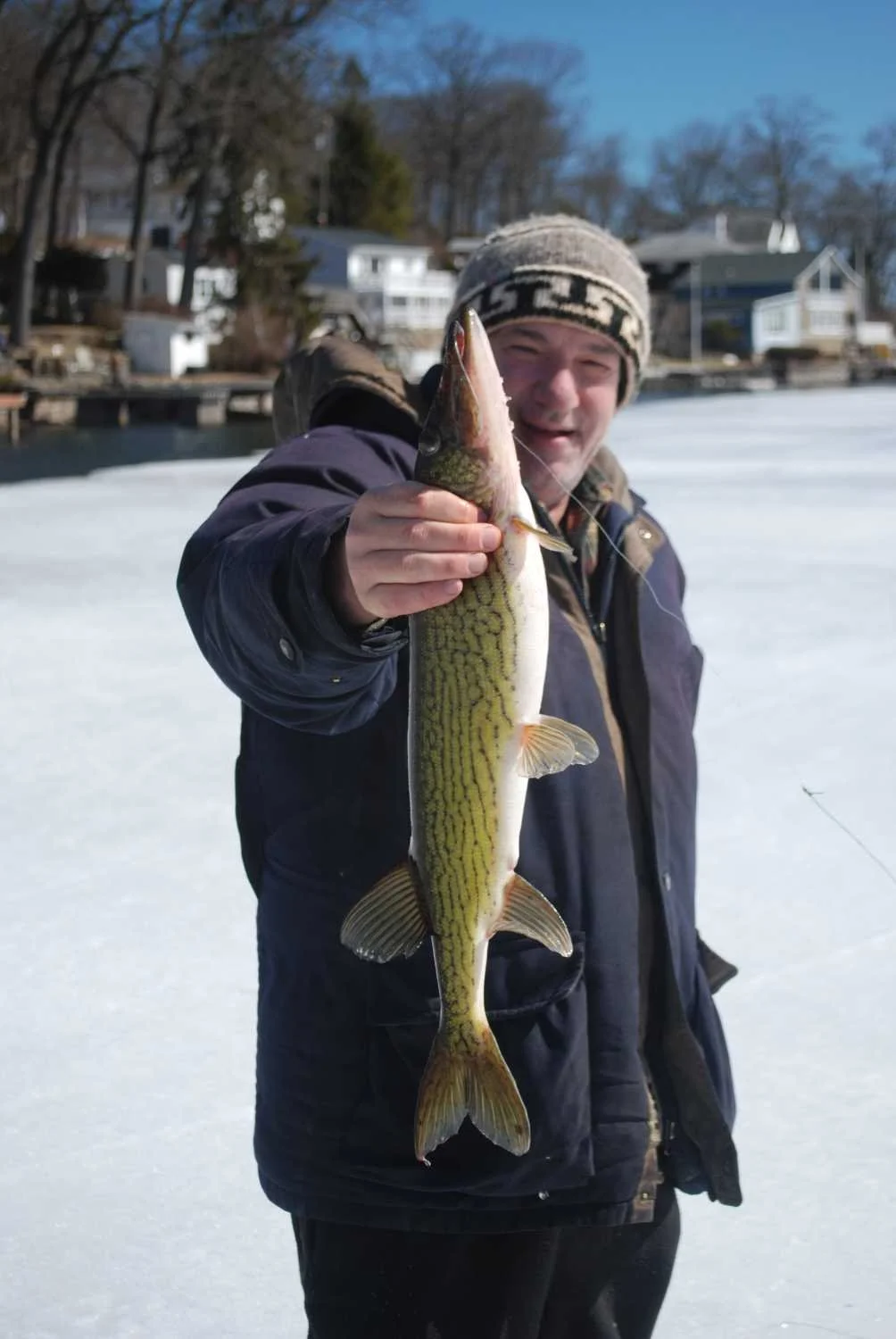
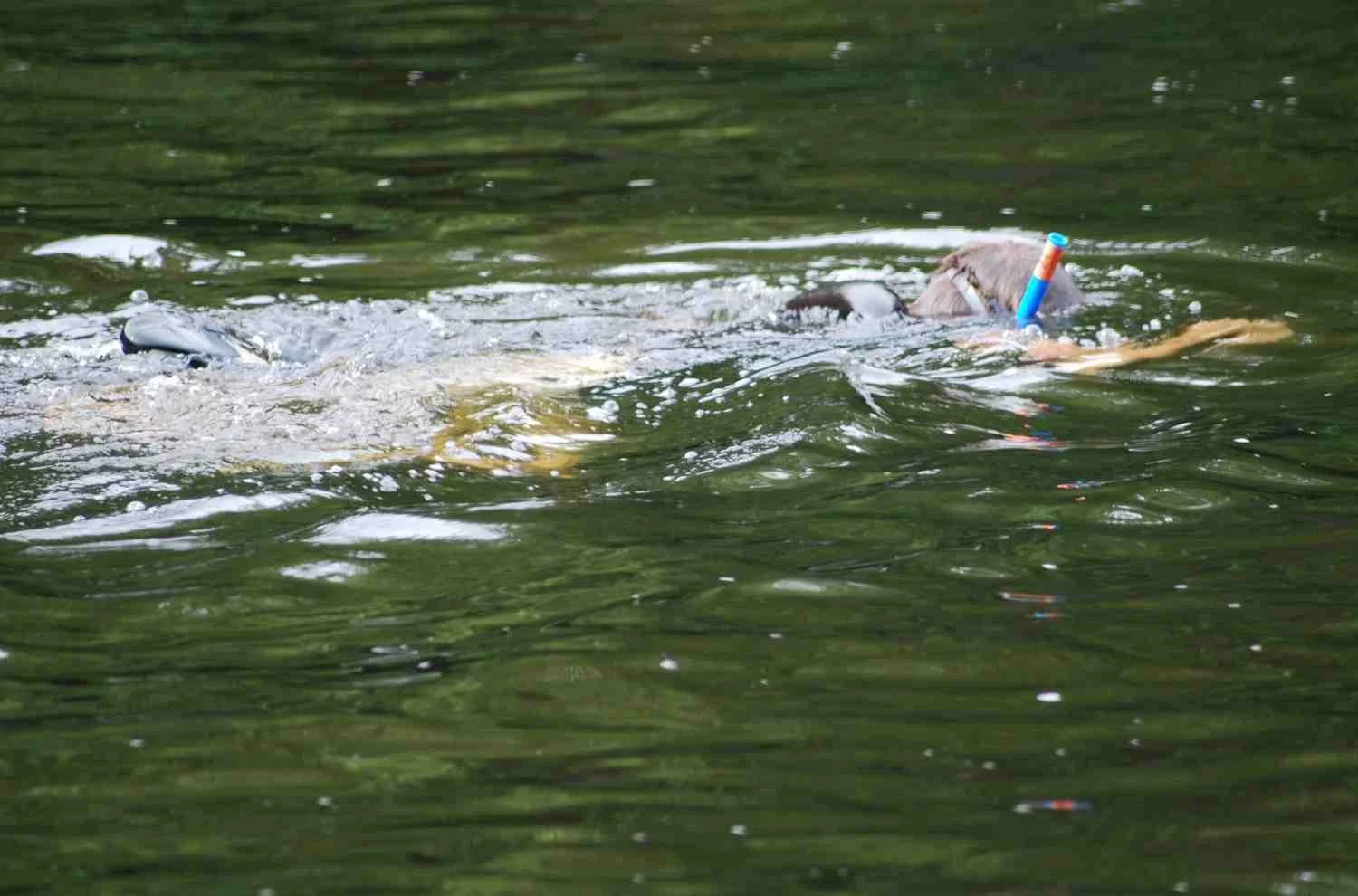
Whether you fish early in the morning or near sunset, be aware it’s likely you’ll experience 10 or 20 minutes of fast action when a topwater plug might be your best offering.